
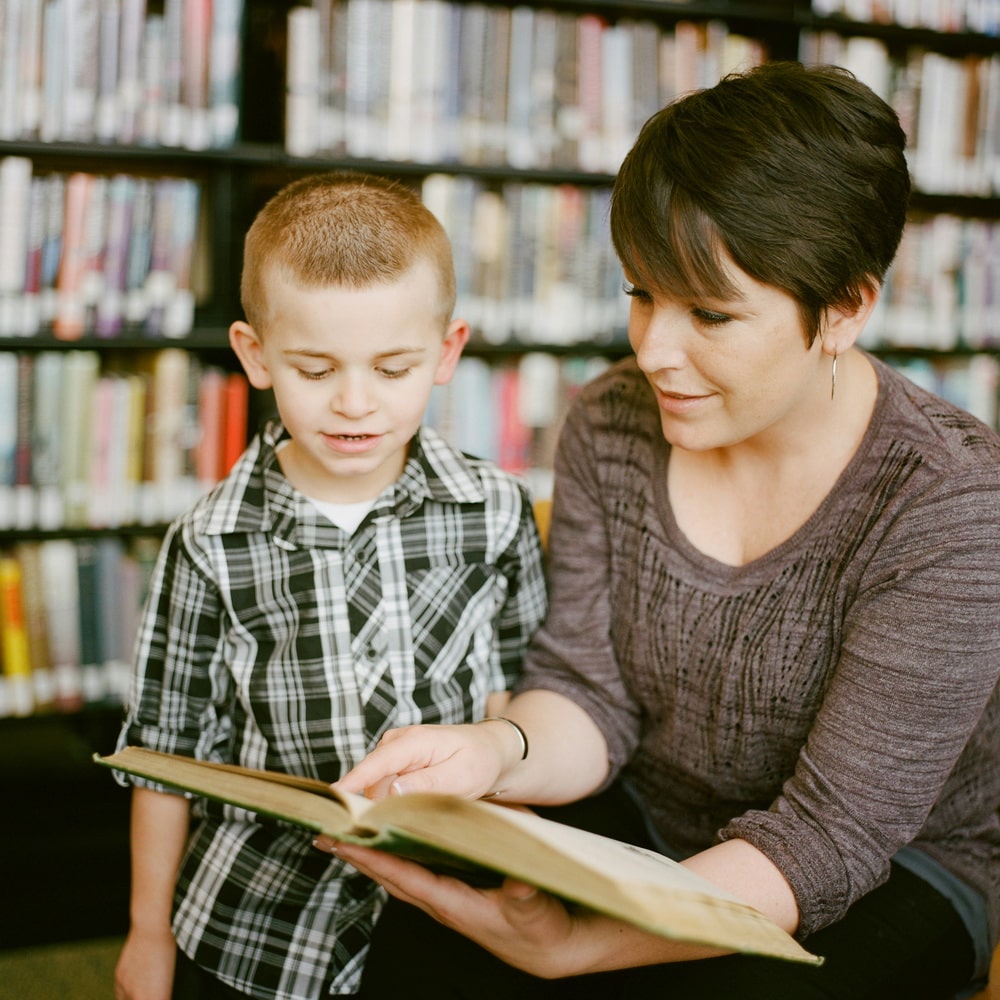
Reading aloud to children is a powerful way to encourage their literacy growth and development. Beyond the enjoyment of sharing stories, it helps build connections, promotes curiosity, and fosters a lifelong love for reading. Whether it’s a cherished bedtime ritual or a quiet moment during the day, this simple activity creates opportunities to expand a child’s vocabulary, enhance their imagination, and strengthen their emotional bond with you.
In this post, we’ll explore six key benefits of reading aloud that make it an essential practice for parents and educators looking to support a child’s learning and development in meaningful ways
“Reading aloud to young children, particularly in an engaging manner, promotes emergent literacy and language development and supports the relationship between child and parent.” – Duursma, Elisabeth & Augustyn, Marilyn & Zuckerman, B. (2008). Reading aloud to children: The evidence.
1. Build Vocabulary and Language Skills Through Read Alouds
Reading aloud significantly enhances a child’s vocabulary and language skills. Research by Hart and Risley highlights striking differences in children’s vocabulary based on their exposure to oral language. By age three, children in professional families hear an average of 2,153 words per hour, compared to 1,251 words in working-class families and only 616 in families on welfare. This disparity results in cumulative vocabularies of 1,100 words, 750 words, and 500 words, respectively.
When parents read aloud, they expose children to a broader range of words and richer language, helping to close this gap. Books provide decontextualized language—introducing new words and concepts outside of daily experiences—building the linguistic foundation necessary for future literacy.
To maximize vocabulary development:
- Use interactive techniques like dialogic reading, where you ask questions and encourage your child to respond.
- Pause to explain new words and encourage connections to the child’s life.
- Choose books with diverse language and themes.
By making reading aloud part of your routine, you’re helping build a strong vocabulary and fostering a love for language.
2. Strengthen Parent-Child Bonds Through Storytime
Reading aloud fosters close relationships between parents and children by creating focused, meaningful interactions. Shared reading provides moments of connection that promote trust and emotional security. Research shows that children who feel secure are more engaged in literacy activities, which further benefits their development.
Incorporating reading into routines, like reading bedtime stories, strengthens the bond and makes it an integral part of family life. Shared books can also help children understand their personal narratives, building self-esteem and emotional resilience.
This practice also fosters open communication. When children feel supported during storytime, they are more likely to share their thoughts and feelings, helping to build a deeper relationship.
To enhance the bonding experience:
- Make read alouds a consistent part of your day, such as bedtime or quiet afternoons.
- Allow your child to choose the text they want to hear.
- Discuss the story—ask questions about the plot or characters to promote engagement.
Strengthening your bond through reading aloud creates lasting memories while supporting their emotional well-being.
3. Promote Listening and Comprehension Skills
Reading aloud strengthens a child’s ability to focus on and comprehend text. Listening to stories encourages children to process ideas, recognize cause-and-effect relationships, and understand the emotions of characters. This promotes critical thinking and prepares them for classroom learning.
Engaging with a read aloud also helps children develop the ability to follow the structure of a narrative, building skills that are vital for literacy and academic growth.
To promote these skills during a read aloud:
- Pause and ask questions like, “What do you think will happen next?”
- Encourage your child to summarize the story or describe their favorite parts.
- Choose stories that capture their attention with relatable characters and vivid language.
By regularly reading out loud, you help strengthen their ability to understand and interpret text effectively.
4. Spark Creativity and Enjoyment Through Stories

Reading aloud encourages children to visualize stories, fueling their imagination and creativity. By picturing characters and settings, they learn to think beyond their immediate environment. This imaginative process supports creative problem-solving, an essential life skill.
Stories also provide enjoyment, making literacy a positive experience. When children associate books with fun and adventure, they are more likely to engage with reading on their own.
To spark creativity during read alouds:
- Choose books with vivid imagery and exciting plots that encourage active imagination.
- Ask open-ended questions like, “How would you change the ending?”
- Encourage your child to draw pictures or act out scenes from the story.
Promoting creativity and enjoyment through reading aloud helps children approach the world with curiosity and confidence.
5. Foster a Love for Literacy
Reading aloud fosters a deep love for books, creating positive associations with reading and promoting a lifelong interest in literacy. By sharing enjoyable stories, you show children that books offer more than just knowledge—they provide comfort, adventure, and inspiration.
When children experience the joy of a well-told story, they are more likely to seek out books on their own, building a habit that supports both personal growth and academic achievement while strengthening their foundation in early literacy.
To foster a love of literacy:
- Show enthusiasm during read alouds—your excitement will be contagious.
- Provide a variety of books that match your child’s interests and reading level.
- Create a cozy, welcoming space where your child can enjoy listening to and reading books.
6. Support Cognitive and Emotional Development
Reading aloud promotes both cognitive and emotional growth by introducing children to diverse ideas and emotions. As they listen, their brains build connections and process new concepts, strengthening their memory and problem-solving abilities.
Emotionally, stories provide a safe space for children to explore complex feelings and situations, helping them develop empathy and social awareness. This promotes a deeper understanding of themselves and others.
To support development through read alouds:
- Choose stories that explore emotions, challenges, and diverse perspectives.
- Engage in discussions about the story’s themes and characters.
- Promote critical thinking by asking questions that challenge their interpretation of the text.
Conclusion
Reading aloud is much more than a daily activity—it’s an investment in your child’s future. From building vocabulary and literacy skills to strengthening emotional bonds and fostering a love for books, the benefits of reading aloud are transformative. By dedicating time to this shared experience, parents and educators can create a foundation for lifelong learning and growth.
Let this be your reminder to pick up a book, find a cozy spot, and start a read aloud tradition that will shape your child’s life in incredible ways.
Explore our Mini Bedtime Stories collection, crafted to captivate young minds, foster emotional growth, and create cherished memories with your little ones. Begin your storytelling journey today!