
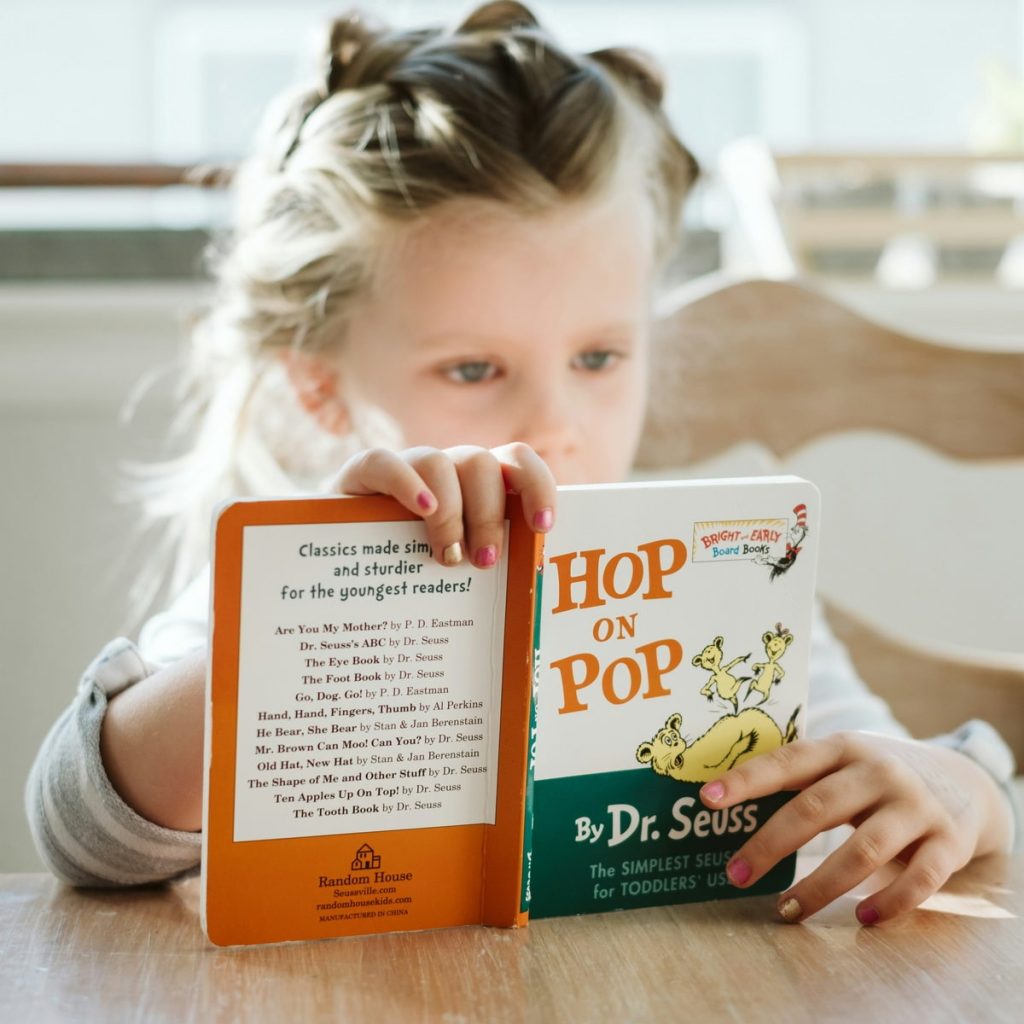
If you’ve ever spent time with a young child, you’ve likely experienced the phenomenon of reading the same book repeatedly. Whether it’s Goodnight Moon, The Very Hungry Caterpillar, or Brown Bear, Brown Bear, What Do You See?, children often insist on hearing their favorite stories again and again—sometimes to the point of exhaustion for the adult reader. While this repetition might seem tedious to grown-ups, it serves a crucial purpose in a child’s development. Let’s explore the reasons behind this behavior and why it’s so beneficial for young minds.
1. Repetition Builds Familiarity and Security
For young children, the world is a vast, unpredictable place. Hearing the same story repeatedly provides a sense of predictability and comfort. Knowing what comes next in a familiar book gives them a feeling of control and security. This repetition creates a safe space where they can anticipate the plot, characters, and even the tone of the reader’s voice. This predictability is especially comforting at bedtime, helping children wind down and feel safe.
2. Language and Vocabulary Development
Children’s brains are like sponges, absorbing information at an astonishing rate. Repetition helps reinforce new words, phrases, and sentence structures. Each time a child hears the same story, they pick up on nuances they might have missed before. For example, they might start to recognize rhyming patterns, understand the meaning of unfamiliar words through context, or even begin to predict what comes next. This process is essential for building their vocabulary and language skills.
3. Cognitive Development and Memory
Repeated exposure to the same story helps children develop memory and cognitive skills. As they listen to the story multiple times, they begin to remember the sequence of events, the names of characters, and even specific phrases. This strengthens their working memory and helps them make connections between different parts of the story. Over time, they may even start “reading” the book themselves by reciting parts of it from memory, which is an early step toward literacy.
This process is also essential for developing problem-solving and critical thinking skills. For example, a child might start noticing patterns or predicting character behavior, which enhances their ability to make connections and think analytically.
4. Emotional Connection and Bonding
Reading the same book over and over creates a shared experience between the child and the reader. This repetition fosters a sense of closeness and bonding. For the child, the story becomes associated with the warmth and attention of the person reading it. Additionally, children often project their own emotions onto the characters, using the story as a way to process their feelings. A familiar book can serve as a comforting tool during times of stress or change.
5. Mastery and Confidence
Children thrive on a sense of accomplishment. When they know a story well, they feel a sense of mastery and confidence. They might proudly point out details in the illustrations, finish sentences, or explain the plot to someone else. This confidence extends beyond the book itself, encouraging them to explore new stories and ideas. It also reinforces the idea that learning is a process, and repetition is a natural part of it.
6. Understanding Narrative Structure
Repeated readings help children grasp the basic elements of storytelling, such as beginning, middle, and end. They learn about cause and effect, problem-solving, and character development. Over time, they begin to understand more complex narratives and can apply this understanding to other stories and real-life situations. This foundational knowledge is crucial for later literacy and critical thinking skills.
7. The Joy of Anticipation
For young children, the joy of knowing what’s coming next is immensely satisfying. Whether it’s the moment when the caterpillar turns into a butterfly or the final “goodnight” to the moon, these predictable moments bring delight. Anticipation is a powerful emotion, and children revel in the excitement of waiting for their favorite parts of the story.
8. Sensory and Interactive Engagement
Many children’s books are designed to be interactive, with repetitive phrases, rhymes, or opportunities for the child to participate (e.g., “Can you find the mouse on this page?”). Repetition allows children to fully engage with these elements, enhancing their sensory and motor skills. They might clap along to a rhythm, mimic animal sounds, or point to objects in the illustrations, making the reading experience dynamic and multi-sensory.
How Adults Can Make Repetition More Engaging
While it’s understandable for adults to grow tired of reading the same story repeatedly, it’s important to recognize the developmental benefits for children. Here are some strategies to support their love of repetition while keeping things engaging for yourself:
- Add Variety Through Interaction: Ask open-ended questions about the story, such as “What do you think will happen next?” or “Why do you think the character did that?”
- Encourage Participation: Let your child fill in missing words or phrases, act out scenes, or create their own version of the story.
- Connect the Story to Real Life: Relate the book’s themes to your child’s experiences. For example, if the story involves animals, you might discuss a recent trip to the zoo.
- Introduce New Stories Gradually: Offer new books with similar themes, characters, or story structures to gently expand your child’s literary interests.
- Emphasize the Fun: Use different voices, sound effects, and gestures to make the story come alive. This can make repeated readings more enjoyable for both you and your child.
Conclusion
The next time your child asks you to read the same story for the hundredth time, remember that this repetition is far from meaningless. It’s a vital part of their cognitive, emotional, and linguistic development. By embracing this phase, you’re not only nurturing their love of reading but also providing them with the tools they need to navigate the world. So, take a deep breath, open that well-worn book, and enjoy the journey—one more time.
And if you’re looking to mix things up while keeping the magic alive, explore our collection of short, engaging tales at Mini Bedtime Stories.